This report covers
Every restaurant's catering journey follows a similar path; this is what MONKEY refers to as the '5 Stages of Catering Maturity'. The brands with 20%+ of revenues attributable to catering didn't start there, they moved through the same stages many other operators did. What separates them is recognizing where they were, understanding what was holding them back, and making the right investments at the right time.

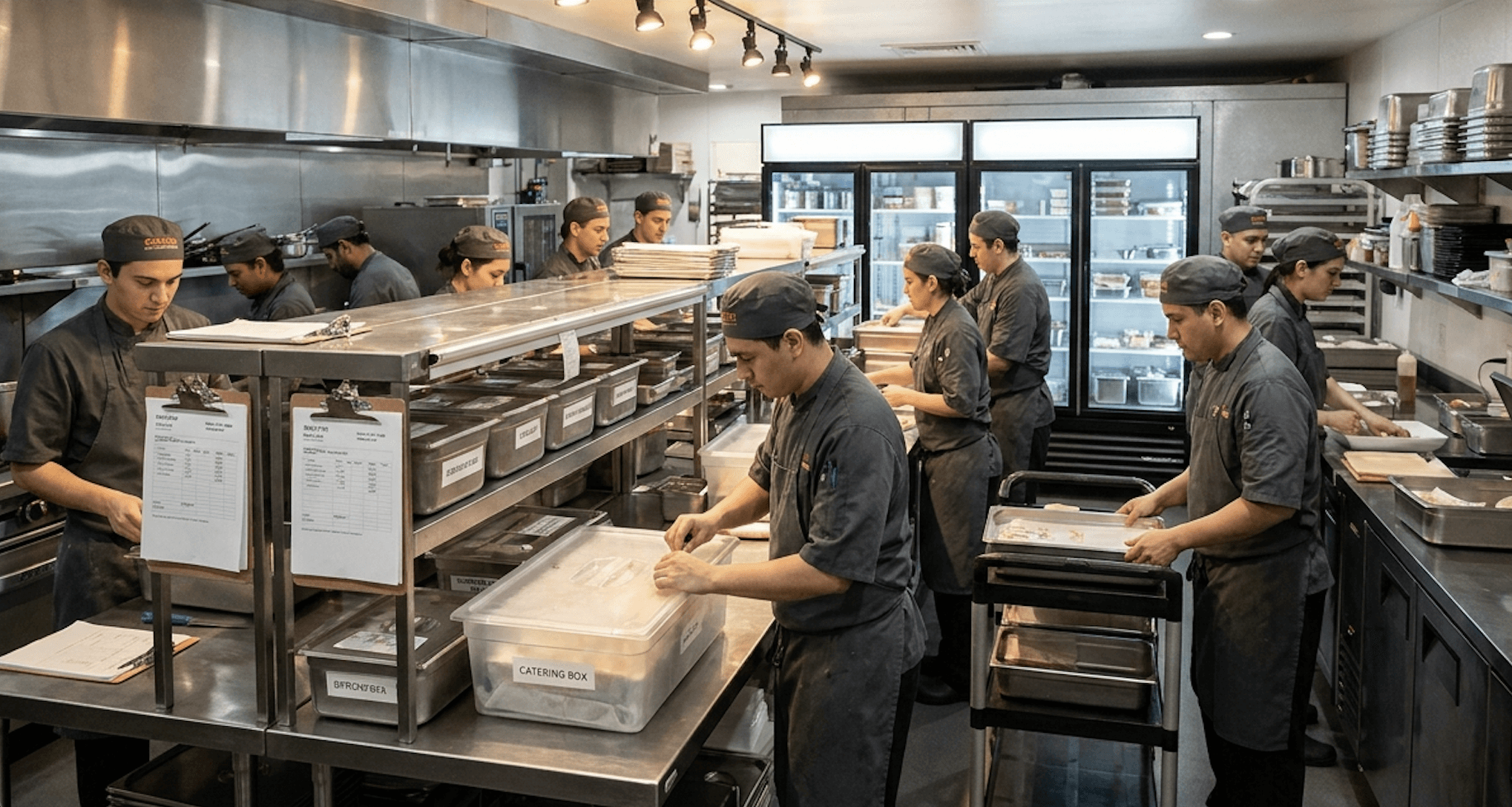
You don't have a catering program, you have catering requests you try to accommodate. Someone calls asking if you can feed their office meeting. A manager quotes a price. The kitchen figures it out later.
The trap at this stage is that it feels like it's working. Orders are coming in, you're fulfilling them, nobody is complaining loudly. But every order is a manual coordination effort, there's no consistent pricing or process, and anything larger than a routine request creates operational stress.
THE SIGNAL: Catering is less than 5% of revenue and you have no dedicated menu, no dedicated process, and no record of who's ordered from you before.
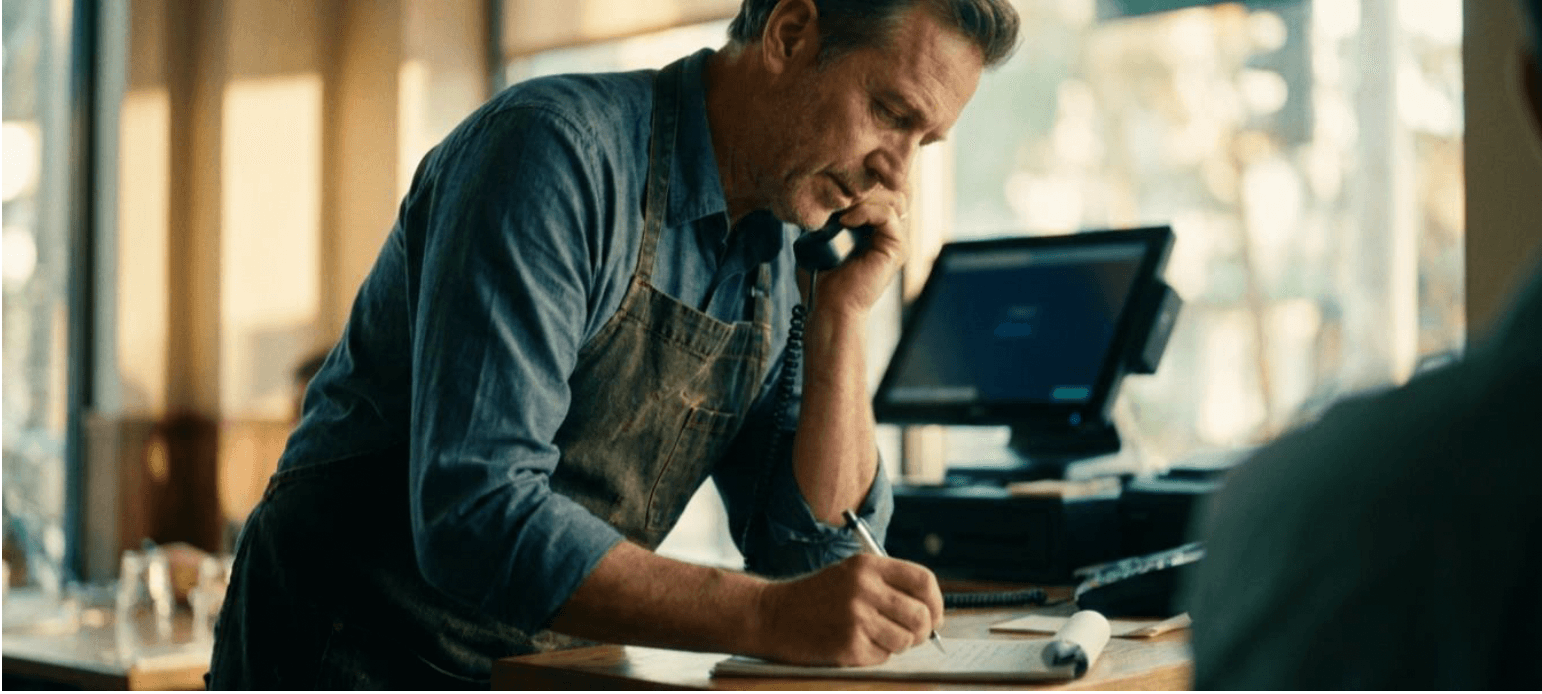

You list on ezCater or similar platforms. They handle ordering, customer acquisition, and payment. You prepare the food. It's a rational way to test demand without building infrastructure from scratch.
Marketplaces aren't the enemy. They're a legitimate customer acquisition channel; they put your brand in front of buyers who wouldn't have found you otherwise, and they handle the infrastructure of discovery so you don't have to.
The problem isn't using them. It's building your entire catering program around them. Commissions run 15-30% per order, which means at $500K in annual volume you're paying $75K-$150K in fees every year, not just on new customers, but on every repeat order from the same accounts.
And because the marketplace owns the guest relationship, you have no way to reach those customers directly. They reorder through the platform, and you keep paying commission indefinitely. A channel that's great for acquisition becomes expensive when it's also your only retention strategy.
THE SIGNAL: 50%+ of catering volume comes through marketplaces. You're paying significant commissions and have no direct relationship with your best customers.

The focus shifts to building direct ordering capability. Now you have your own website experience, your own customer data, and active outreach to corporate accounts. Catering grows north of 10% of revenue. Marketplace dependency starts to shrink. You're hiring a catering manager, investing in better packaging, operators are excited about the opportunity, and perhaps have a dedicated marketing budget.
But there's a ceiling. Most brands at this stage are running catering on tools that weren't built for it: a “catering section” bolted onto their online ordering platform, or a basic POS add-on. Catering orders flow through the same system as $12 takeout orders. The kitchen gets a $600 corporate order notification the same way it gets a ticket for a quick lunch on the go. B2B requirements like house accounts & net terms, tax-exempt accounts, and purchase orders are impossible to handle.
THE SIGNAL: First-party ordering is in place and revenue is growing, but your tools are creating friction you're constantly working around.

You've invested in dedicated catering software. From the outside, you've figured it out. Internally, you're running into the same walls repeatedly.
The most common ones: catering orders still flowing through the KDS alongside takeout, so kitchen staff can't distinguish a $700 corporate lunch from a routine order. A CRM that isn't deep enough for real B2B account management. Reporting that shows you what happened but not why, and not what to do next. Production planning that still requires manual work to translate into what the kitchen actually needs.
This is the most frustrating stage to be in. You've done more than most operators, you've committed real resources to catering, and your tools are adequate for current volume while actively preventing you from reaching the next level. The system isn't broken. It's just not built for where you're trying to go.
THE SIGNAL: Revenue has plateaued and you have a nagging sense that important orders could get missed, and there is further upside you're not capturing. You're making catering work despite your tools, not because of them.
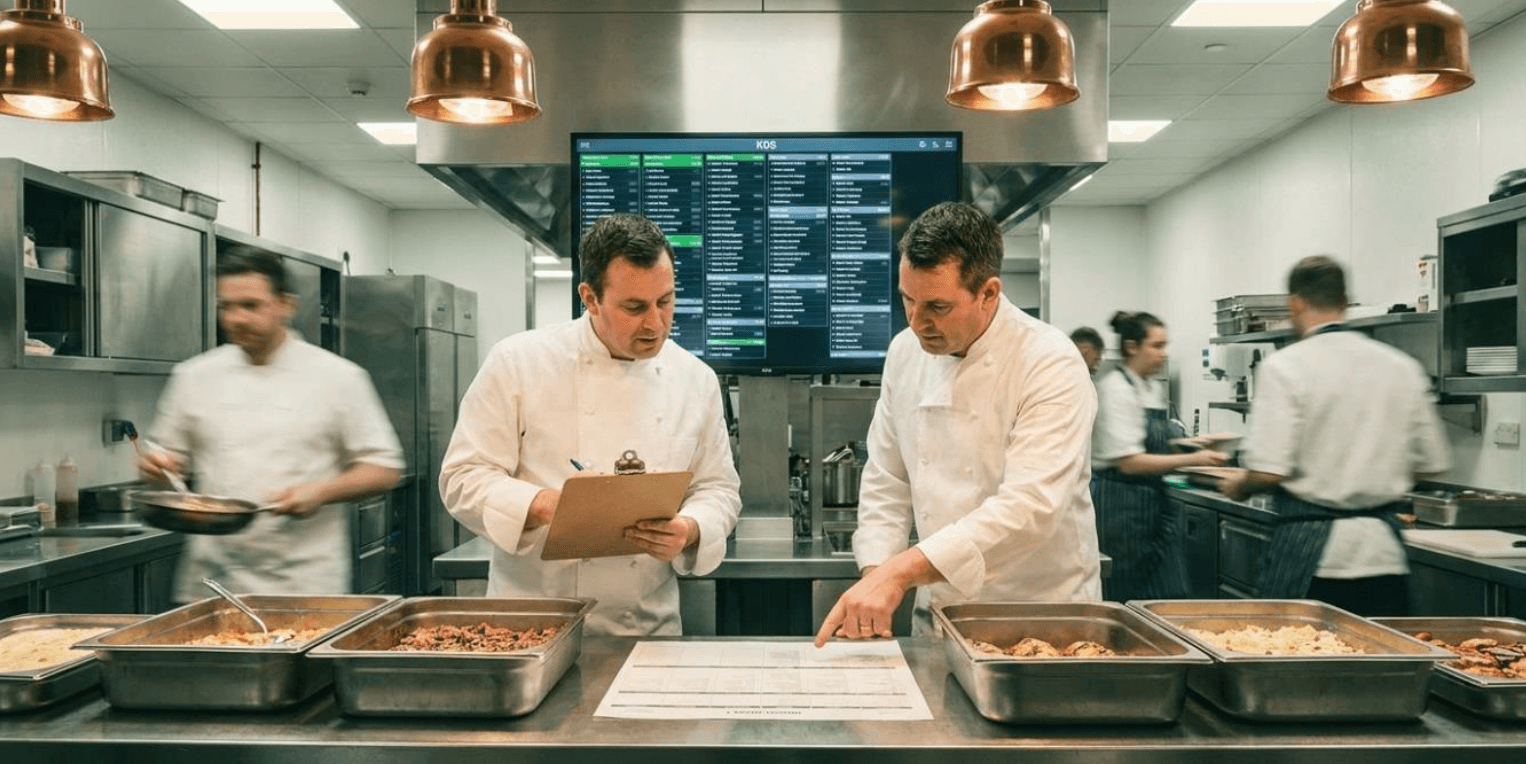

Catering operates as its own channel with its own infrastructure, completely independent from takeout and dine-in. Revenue grows north of 20-30% of the total business. This isn't incremental improvement on the previous stage. It's a different way of running catering altogether.
The operational principle is clean separation: all catering workflows (ordering, production, delivery, payment) run end-to-end in a purpose-built catering platform. The kitchen never gets a catering order through the KDS. Instead, teams work from detailed production sheets and pack slips generated in advance, with exact quantities, assembly instructions, and clear timelines. Zero risk of a $700 corporate lunch getting lost in a queue of takeout orders.
The CRM at this stage is built for B2B account management, and building trust, relationships, and loyalty with high-value guests (and the large groups that they cater for). Rich customer profiles with order history, preferences, and dietary requirements. Billing accounts with net terms, tax-exempt status, and purchase order support. A sales pipeline that tracks leads from first contact through repeat orders, with territory management across reps and locations.
And the financial infrastructure matches the complexity of the business: pre-authorizations, deposit collection, accounts receivable management, separate invoicing by location or franchisee, multi-POS support. The kind of financial controls that corporate accounts expect and that make catering genuinely scalable.
THE SIGNAL: Catering is a strategic priority with its own team, its own systems, and its own growth trajectory. It compounds because the infrastructure is built for it.
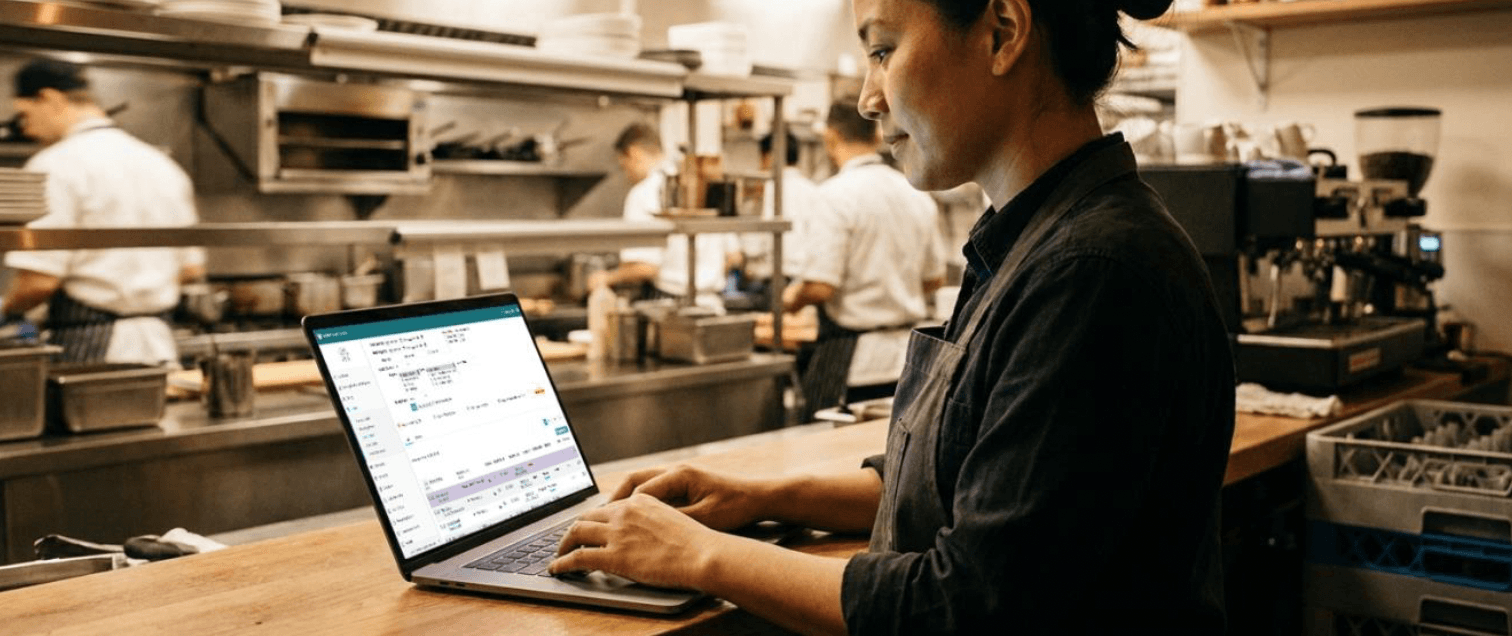
Where will your program go?
The brands at Stage 5 today didn't get there by skipping stages. They moved through each one, recognized the ceiling when they hit it, and made the investment to break through. What's changed is the cost of waiting. Every quarter a brand operates at Stage 4 with Stage 5 ambitions is a quarter of account data not being captured, relationships not being built, and compounding growth not happening.
The gap between brands on purpose-built catering infrastructure and those still on 'good enough' tools is already meaningful. It widens every year.
© 2026 MONKEY Catering Platform. All rights reserved. · monkeymediasoftware.com
Hand-picked reads from inside the jungle
Curated articles, announcements, and deep dives handpicked by the MONKEY Media Software team."

Standardize Without Strangling: The Multi-Location Catering Paradox
PRODUCT
Jun 2025
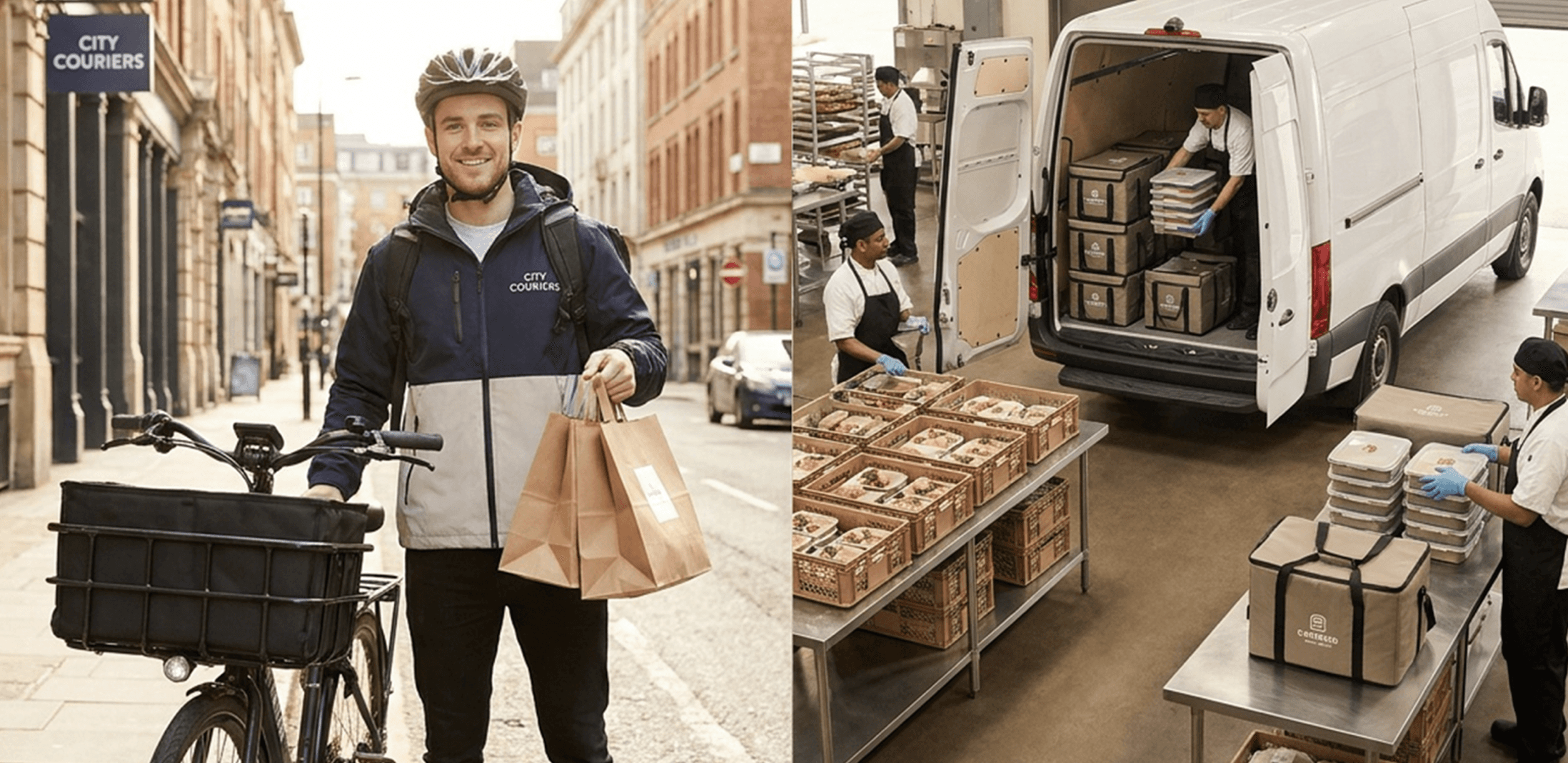
Catering is not takeout. Mixing it together stifles growth.
INSIGHTS
Jun 2026

The State of Catering 2026: What the Data Is Really Telling Us
INSIGHTS
Jun 2026